
What is a Coon?
The Birth, Evolution, Internalization, and Social Impact of the Word “Coon”

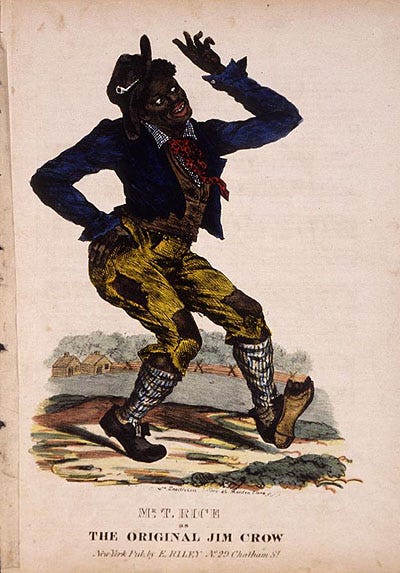
The word “coon” is one of the most historically loaded racial slurs in American history. Its evolution reveals how language can move from ordinary description to dehumanizing propaganda — and eventually into complex intragroup usage. Understanding its trajectory requires tracing its origin, weaponization, internal adoption, and broader social consequences.
1. The Original Meaning: From “Raccoon” to Slang
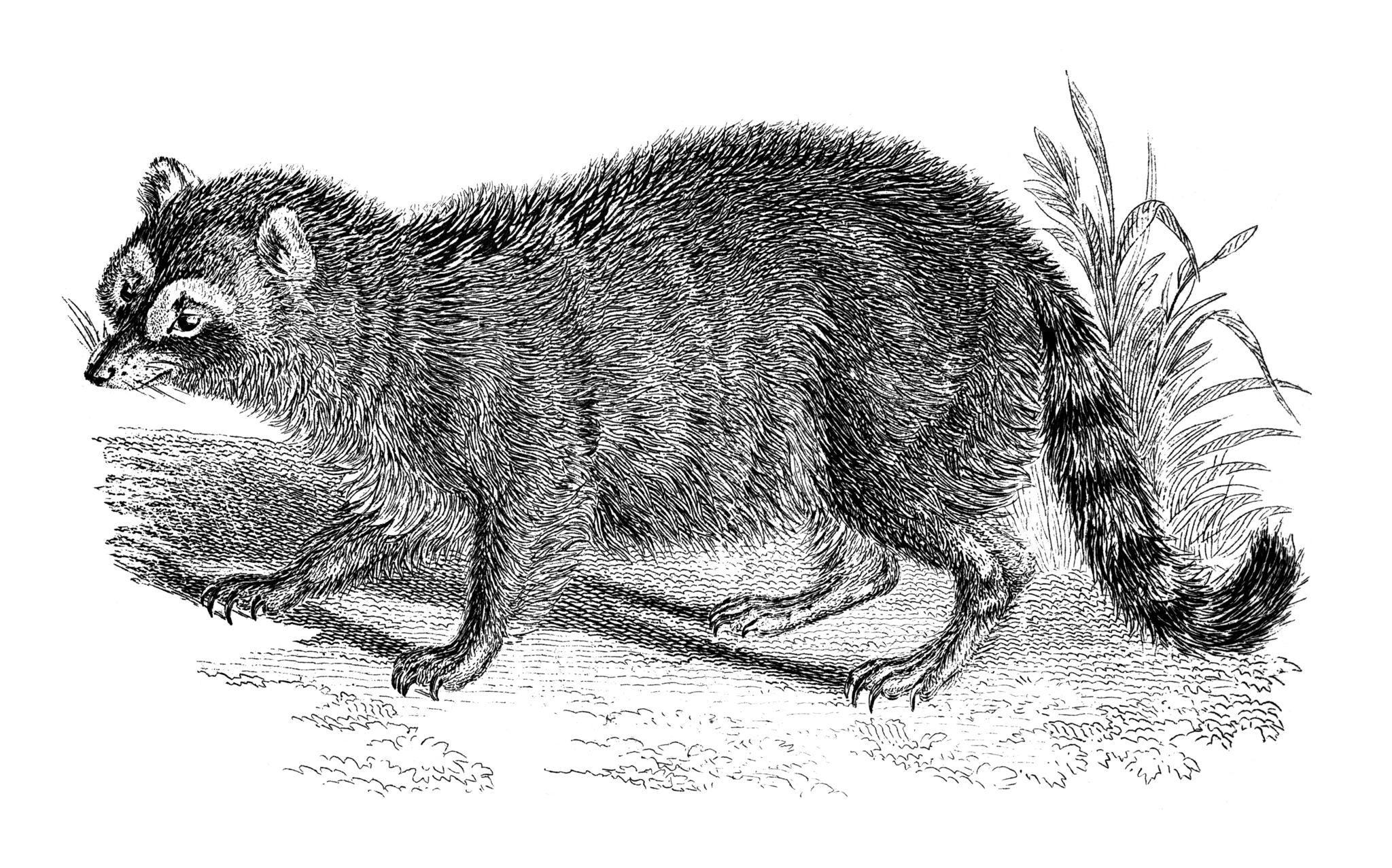
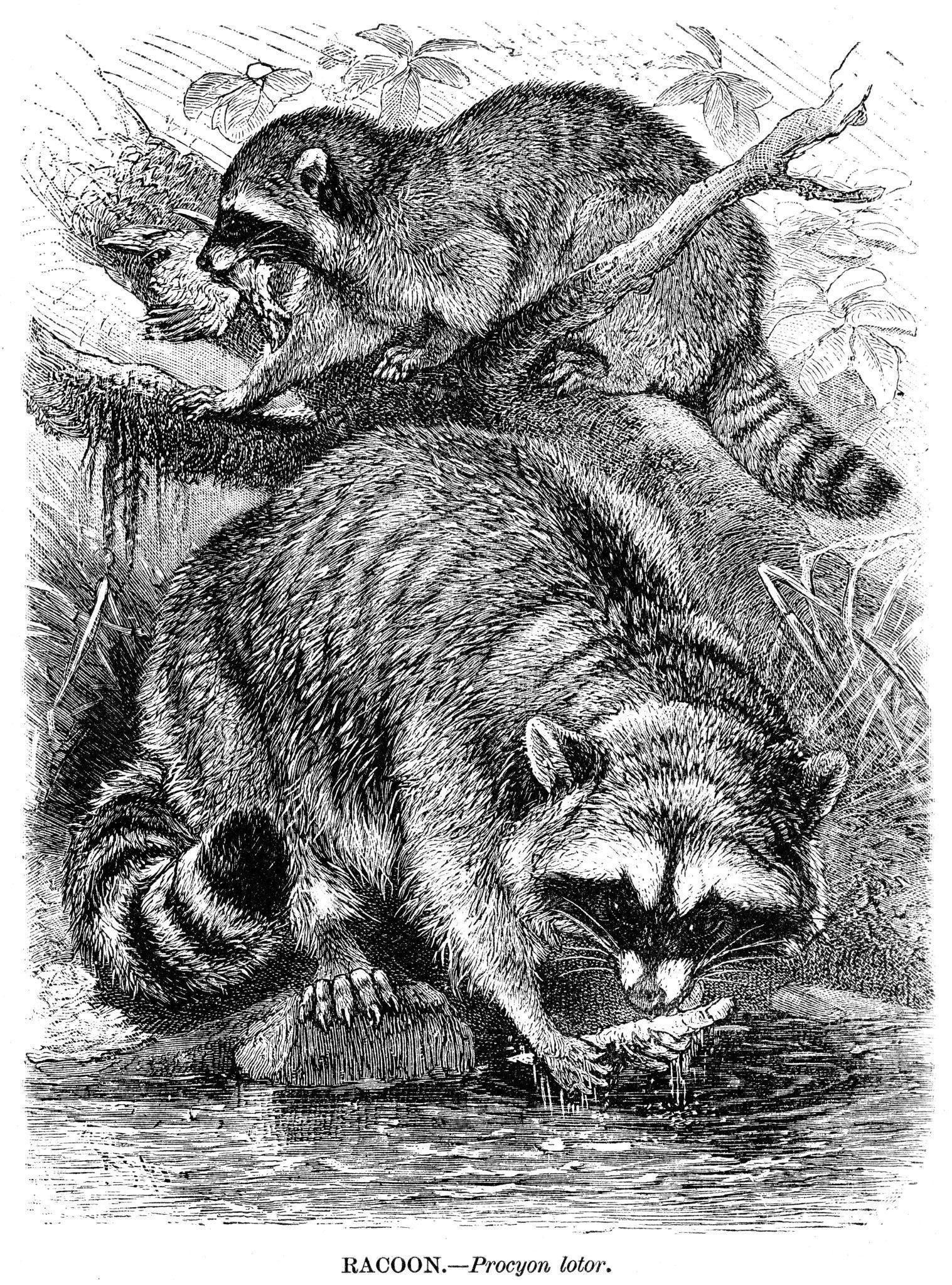
The word began as a shortened form of “raccoon” in the 1700s. On the American frontier, shortened animal names were common in informal speech. At this stage, “coon” had no racial meaning. It referred simply to the animal.
However, as racial hierarchies hardened in early America, animal comparisons became a deliberate method of dehumanization. The transition from animal nickname to racial insult began in the early 19th century.
2. The 19th Century: From Insult to Cultural Propaganda
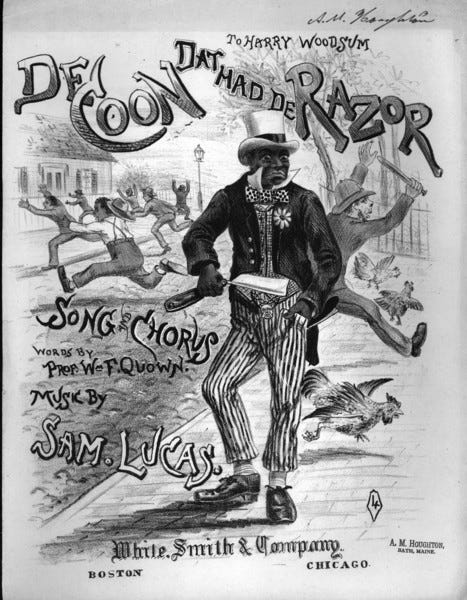
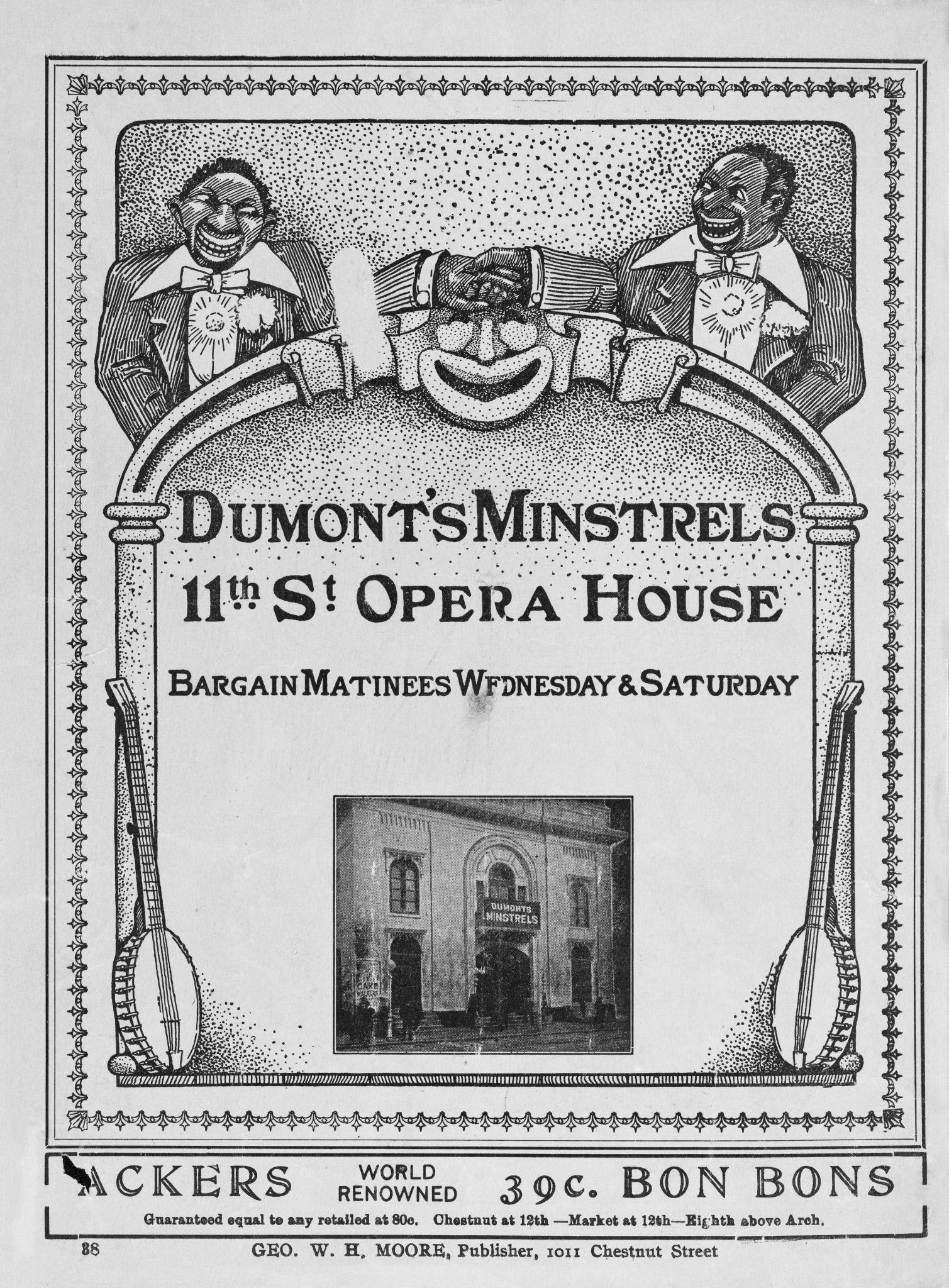
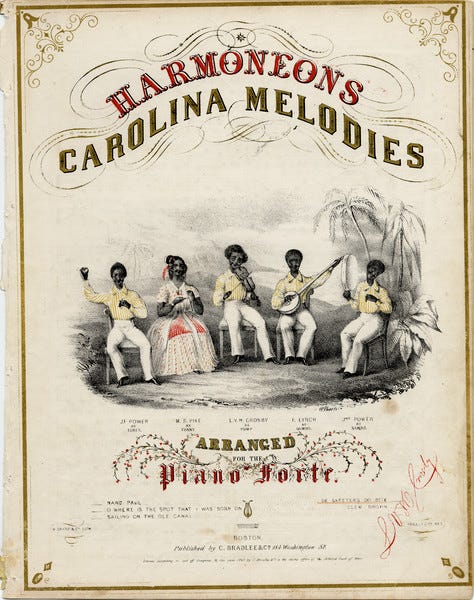
By the late 1800s, the word had become embedded in mainstream entertainment through “coon songs” and blackface minstrel shows.
These performances:
Portrayed Black people as foolish, lazy, criminal, or hypersexual
Presented exaggerated caricatures for comedic effect
Sold millions of copies of sheet music
Reinforced white supremacist ideology nationwide
The “coon” caricature became a stock figure in American popular culture — not just an insult, but an archetype. It conditioned audiences to see Black Americans as inferior and unserious.
The slur was no longer just language. It became propaganda.
3. Jim Crow and Racial Terror
During Reconstruction and Jim Crow:
The word was used to mock Black political participation
It reinforced segregation narratives
It justified social exclusion
It accompanied racial intimidation
It functioned psychologically — stripping dignity in order to normalize oppression.
By the early 20th century, it was firmly recognized as a racial slur.
4. Intragroup Usage: The Word Turns Inward
Over time, the word entered Black intracommunity discourse.
When used by Black individuals toward other Black individuals, it generally shifted meaning. It came to describe:
Someone perceived as betraying Black interests
Someone seeking white approval
Someone reinforcing negative stereotypes
Someone distancing themselves from Black cultural identity
In this internal context, it often functions as a charge of racial disloyalty or self-degradation rather than a literal animal comparison.
Sociologists describe this as intragroup boundary enforcement — language used to define authenticity and belonging.
However, the word’s original history does not disappear simply because the speaker shares the same racial identity.
5. Reclamation vs. Replication
Unlike some slurs that have undergone partial reclamation, “coon” has rarely been neutralized. It retains:
Its minstrel-show origins
Its connection to racial humiliation
Its association with dehumanization
Even in intragroup usage, the historical shadow remains.
6. How Intragroup Use Can Reinforce White Supremacy
This is where the issue becomes socially complex.
When Black individuals use “coon” or “cooning” to describe other Black individuals, several unintended consequences can occur:
1. It Revives White Supremacist Caricatures
The original “coon” stereotype was created by white supremacist culture. Repeating the label — even internally — can unintentionally revive that caricature framework.
2. It Normalizes Dehumanizing Language
When a community uses a historically dehumanizing term internally, it can make the term feel socially permissible more broadly. That normalization can weaken collective resistance to its external use.
3. It Shifts Focus from Systems to Individuals
White supremacy historically functioned as a structural system. Intragroup slur usage often redirects frustration toward individual Black people rather than systemic inequities. This fragmentation can dilute collective cohesion.
4. It Reinforces Stereotype Policing
If someone is labeled a “coon” for behavior deemed outside group expectations, the accusation can echo the same stereotype framework originally imposed by racist ideology.
In this way, the internal use can sometimes operate within — rather than dismantle — the conceptual boundaries created by white supremacy.
This does not mean individuals intend to reinforce white supremacy. Intent and social effect are not always the same. The sociological concern is about impact, not motive.
7. The Broader Lesson About Language
The life cycle of this word shows how language can:
Begin as neutral
Become weaponized
Embed into cultural propaganda
Be internalized by the targeted group
Continue carrying structural implications
Words formed in dehumanization rarely lose that DNA entirely.
Conclusion
The word “coon” began as an abbreviation for “raccoon.” It became a racial slur through deliberate dehumanization. It was amplified through minstrel shows and Jim Crow propaganda. It later entered intragroup discourse as an accusation of betrayal or stereotype performance.
Yet its historical roots remain inseparable from white supremacist caricature.
When used — by anyone — it carries the residue of that origin. And when used internally, it can unintentionally echo the very framework it once imposed.
Understanding this history is not about repeating harmful language. It is about recognizing how words shape identity, solidarity, division, and power.